Light, Location and Wardrobe
Three things define how a photo feels before anyone presses the button: the light, the place and what you wear. Decide them on purpose and the camera matters much less.
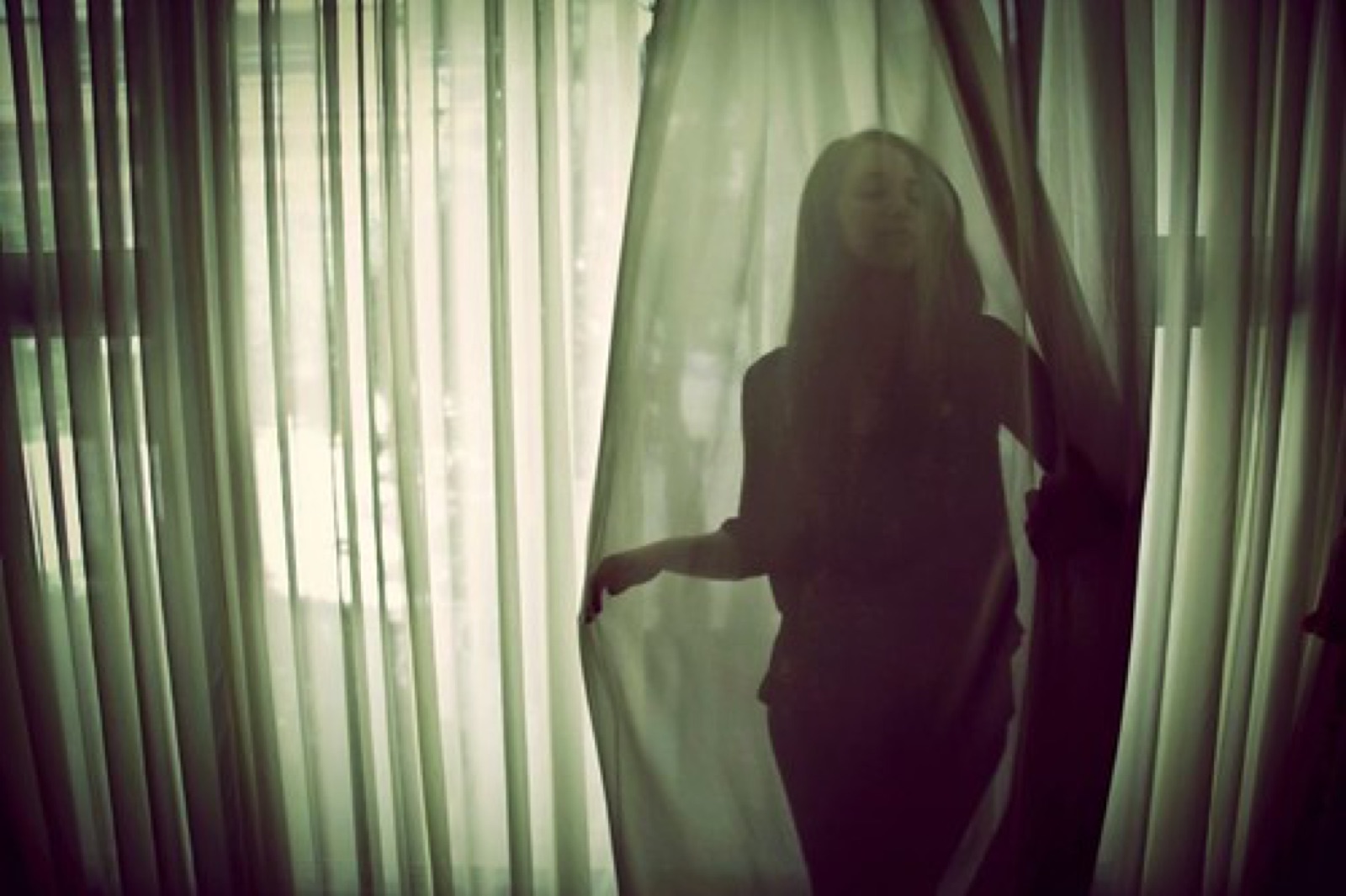 Photo: “lady in the water” by Jane Rahman, CC BY 2.0.
Light
Two questions cover most of it.
Hard or soft? Hard light comes from a small, direct source: midday sun, a bare bulb, a flash. It makes sharp shadows and feels raw and graphic. Soft light comes from a large source: a window on a cloudy day, shade, a wall that bounces light. It feels gentle and intimate.
Where does it come from? Light from the front is flat and honest. From the side it gives shape and drama. From behind it draws a silhouette and hides the face.
Match this to your dials from step 7. If you wrote “high contrast”, you want hard or side light. If you wrote “muted, soft”, stand next to a window.
The cheapest good light is outdoors in the hour after sunrise or before sunset, and indoors beside a large window with the room lights off.
Location
The background should support you without competing.
- Choose places with few colors, ideally ones that sit near your palette
- Look for depth: a corridor, a street, a doorway behind you
- Avoid visible brands, signs and posters that date the photo or need permission
- One location with three different corners is better than three locations and two hours in traffic
The best location is usually a plain one with good light, ten minutes from where you live.
Wardrobe
Clothes are the largest block of color in a portrait, so they are a palette decision.
- Stay inside or beside your palette from step 6
- Avoid large logos and printed text
- Avoid tiny patterns, which shimmer on screens
- Bring two or three options that vary in tone, not in style
- In a band, coordinate tones without matching outfits: the same family of colors, different pieces
Wear things you would actually wear on stage. A photo of a person you never are is the costume problem from step 1.
Do this now
Write three lines: your light (hard or soft, from where), your location, your clothes. Add them to the brief from step 12.
Light, location and wardrobe are decisions we settle with the artist in the creative direction, before anything gets shot. Here is how we work.
If this is something your project needs, get in touch.
Get new posts by email
Ideas for independent artists. We will send a confirmation email. If you do not see it, check your spam folder.